

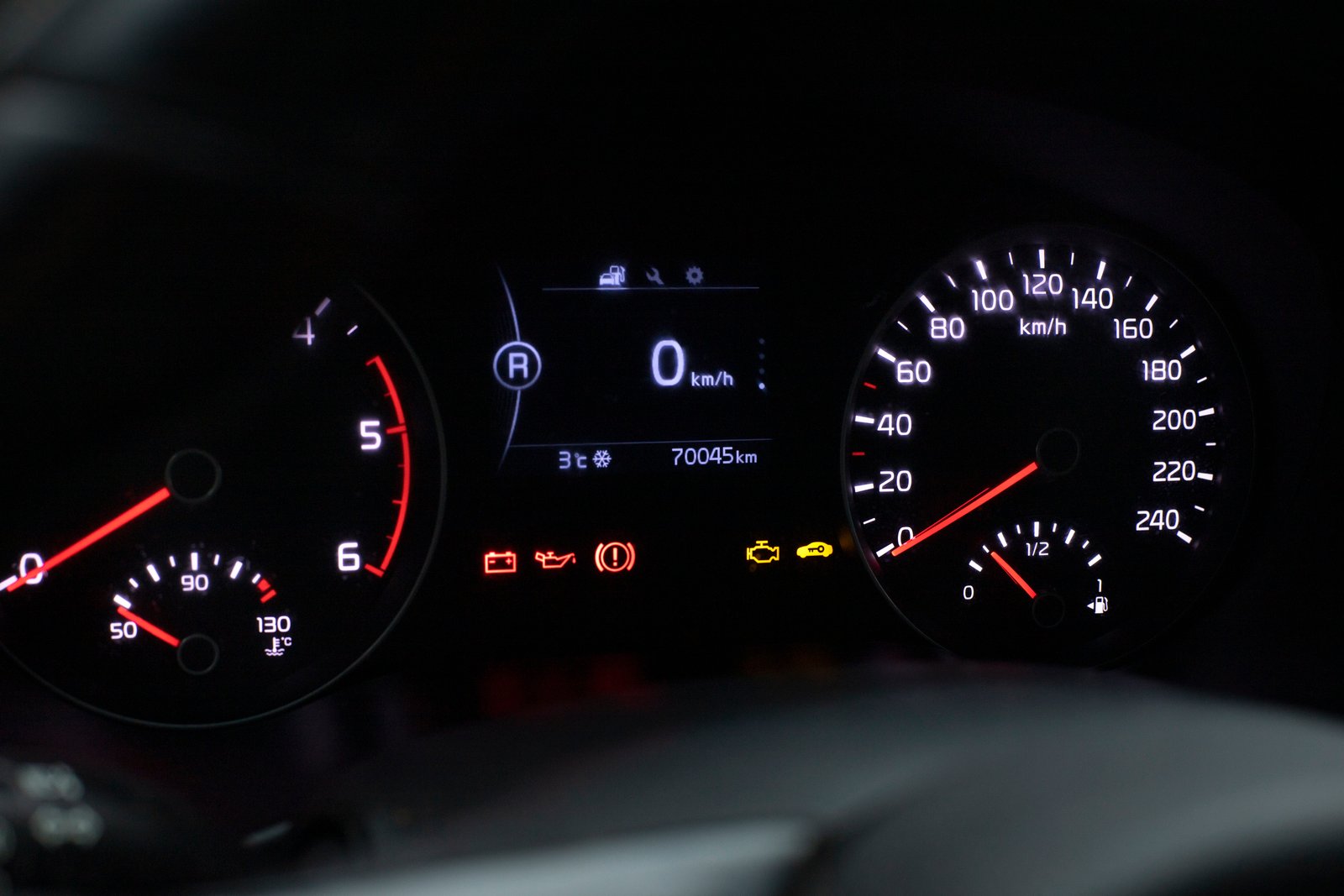
Fuel is one of the biggest expenses in fleet management—often accounting for 30–40% of total operational costs. With rising fuel prices, optimizing fuel consumption isn’t just about saving money—it’s about ensuring long-term sustainability and competitiveness.
Here are 10 practical strategies to cut fuel costs without compromising efficiency.
1. Monitor Fuel Consumption with Telematics
Telematics systems track mileage, fuel usage, and driver behavior. This data helps fleet managers spot inefficiencies and take corrective action.
2. Optimize Routes with AI
Smart routing systems consider traffic, weather, and road conditions to create the shortest, most fuel-efficient paths. This reduces unnecessary mileage and idle time.
3. Train Drivers for Fuel-Efficient Driving
Driver habits directly impact fuel use. Training programs can focus on:
- Avoiding harsh acceleration & braking
- Reducing excessive idling
- Maintaining steady speeds
4. Regular Vehicle Maintenance
Poorly maintained engines, underinflated tires, and dirty filters can increase fuel consumption. Preventive maintenance ensures vehicles run at peak efficiency.
5. Use Fuel Cards for Accountability
Fuel cards allow you to track spending, reduce misuse, and get insights into real-world fuel consumption.
6. Adopt Fleet Fuel Management Software
Software provides detailed reports on fuel purchases, consumption patterns, and helps detect fraud or wastage.
7. Reduce Vehicle Load
Excessive weight increases fuel burn. Encourage drivers to carry only necessary tools, equipment, and cargo.
8. Leverage Alternative Fuels & EVs
Switching to electric or hybrid vehicles can drastically cut fuel costs and lower carbon emissions. For traditional fleets, biofuels or CNG may be an option.
9. Encourage Smart Idling Practices
Idling for more than 5 minutes wastes fuel. Encourage drivers to switch off engines when waiting for extended periods.
10. Analyze Data for Continuous Improvement
Fleet managers should regularly review telematics and fuel data to identify patterns, set benchmarks, and improve efficiency over time.
Final Thoughts
Reducing fuel costs requires a mix of technology, training, and proactive management. By combining telematics, AI-based route planning, and better driver practices, fleets can save thousands of dollars annually while building more sustainable operations.
when an unknown printer took a galley of type and scrambled it to make a type specimen book. It has surived not only five centuries, but also the leap into electronic typesetting, remaining essentially unchanged when an unknown printer took a galley of type and scrambled it to make a type specimen book. It has survived not only five centuries, but also the leap into electronic typesetting.