

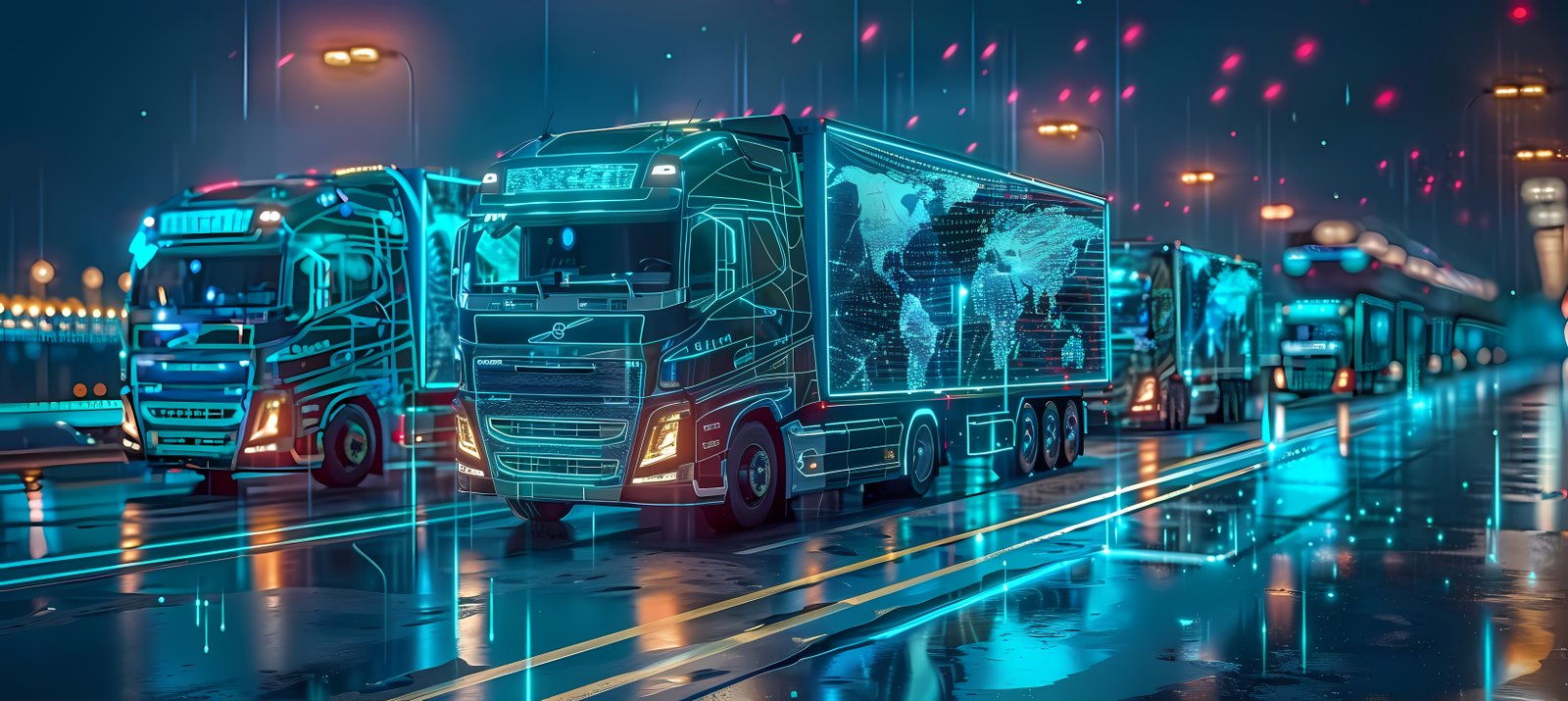
The Future of Fleet Management: How AI & IoT Are Transforming Operations

Fleet management is no longer just about tracking vehicles and scheduling maintenance. With rapid advances in Artificial Intelligence (AI) and the Internet of Things (IoT), the industry is undergoing a digital revolution. Businesses today can gain real-time visibility, improve efficiency, reduce costs, and ensure driver safety with smart, connected technologies.

In this blog, we’ll explore how AI and IoT are shaping the future of fleet operations.

The Internet of Things connects vehicles, sensors, and equipment to a central system, allowing data collection and analysis in real-time.

Key Benefits of IoT in Fleets:

  • Real-time Vehicle Tracking → GPS and telematics give live updates on vehicle location.
  • Predictive Maintenance → Sensors detect wear and tear, preventing costly breakdowns.
  • Fuel Efficiency Monitoring → Track fuel usage, detect leaks, and reduce wastage.
  • Cargo & Asset Monitoring → Temperature sensors for perishable goods, security alerts for cargo theft.
  • Driver Behavior Insights → IoT devices track harsh braking, overspeeding, and idling.

👉 IoT turns every vehicle into a data hub, giving managers actionable insights.

The Power of AI in Fleet Operations

Artificial Intelligence uses the data collected from IoT and telematics systems to predict outcomes and automate decisions.

How AI is Transforming Fleets:

  • Route Optimization → AI analyzes traffic, weather, and road conditions for the fastest and most fuel-efficient routes.

  • Predictive Analytics → Anticipates vehicle breakdowns before they happen.

  • Driver Safety Systems → AI cameras detect drowsiness, distractions, and risky behavior.

  • Cost Reduction → AI identifies inefficiencies, reduces fuel consumption, and optimizes resource allocation.

  • Automated Compliance → Ensures adherence to regulations like driving hours and safety checks.

👉 AI empowers fleet managers to work smarter, not harder.


🚛 The AI + IoT Combination

When AI and IoT work together, fleets gain a complete ecosystem of automation and intelligence.

  • IoT collects live data from vehicles.

  • AI analyzes and learns from that data.

  • Fleet managers act on insights in real time.

For example, IoT sensors can alert when a tire is overheating, and AI can predict how long before it fails—giving time to schedule maintenance before an accident occurs.


📈 What the Future Looks Like

  • The future of fleet management will be driven by:
  • Autonomous Vehicles → Self-driving trucks supported by AI and IoT.
  • Electric Fleets → IoT-enabled EV monitoring for charging and performance.
  • Blockchain Integration → Secure and transparent supply chain tracking.
  • Smart Cities → Connected traffic systems for smoother deliveries.
  • Businesses that adopt AI and IoT early will enjoy higher efficiency, lower costs, and stronger competitive advantage.

Final Thoughts

AI and IoT are not just trends—they’re the future of fleet management. Companies that embrace these technologies will gain real-time visibility, predictive insights, and sustainable operations. The question is no longer if fleets should adopt AI and IoT, but how quickly they can make the shift.

3 Comments

Leave a Reply

Your email address will not be published. Required fields are marked *