

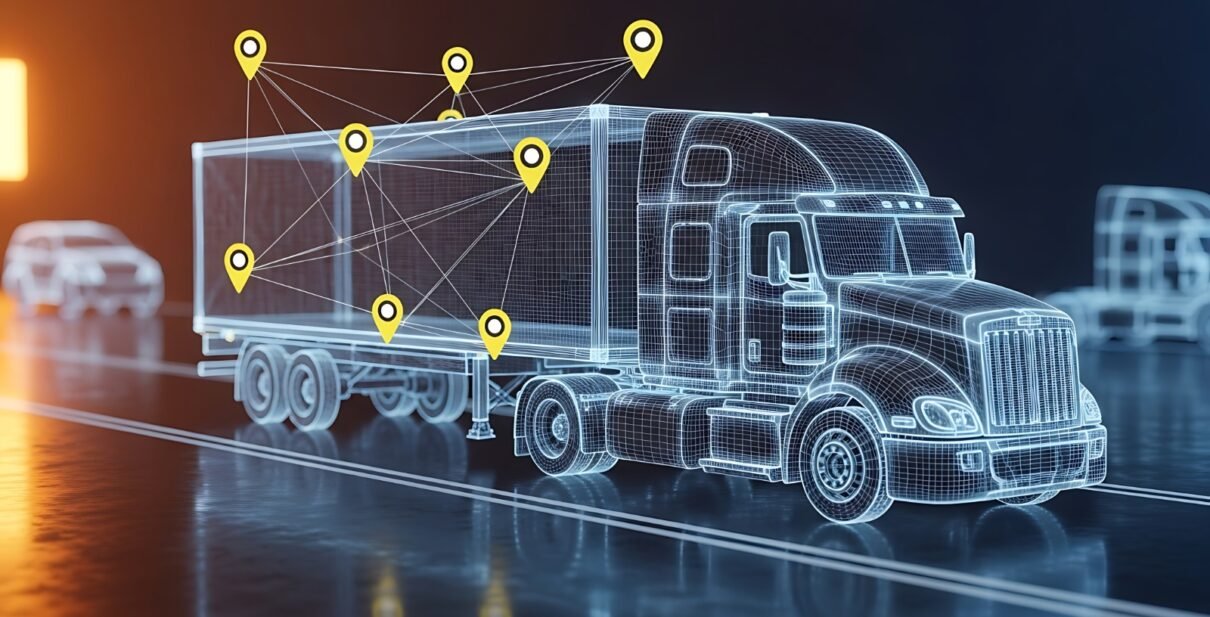
In today’s fast-paced logistics and transportation industries, managing a fleet efficiently is critical for business success. The integration of GPS tracking with fleet management software has revolutionized how companies monitor, control, and optimize their vehicle fleets. For businesses looking to boost productivity, reduce costs, and improve safety, understanding how GPS tracking and fleet management software work together is essential.
What is GPS Tracking in Fleet Management?
GPS tracking is a technology that uses satellites to determine the precise location of vehicles in real time. It provides fleet managers with instant access to information such as vehicle location, speed, and routes travelled. This real-time visibility is the foundation of modern fleet management systems.
What is Fleet Management Software?
Fleet management software is a comprehensive platform that combines multiple tools and features to manage vehicle operations. It integrates GPS tracking data with other functionalities such as driver behaviour monitoring, fuel management, maintenance scheduling, and compliance tracking. The software helps streamline fleet operations, improve decision-making, and increase overall efficiency.
How GPS Tracking and Fleet Management Software Work Together
The synergy between GPS tracking and fleet management software transforms raw location data into actionable insights for businesses. Here’s how they complement each other:
1. Real-Time Vehicle Tracking
GPS tracking provides live updates on vehicle positions, which fleet management software processes and displays on easy-to-use dashboards. Fleet managers can monitor vehicle locations anytime and anywhere, enabling quick responses to delays, route changes, or emergencies.
2. Optimized Route Planning
Combining GPS data with advanced route optimization algorithms helps fleets save time and fuel. The software analyses traffic conditions, distance, and delivery schedules to suggest the most efficient routes, reducing idle time and improving customer satisfaction.
3. Driver Behaviour Monitoring
Fleet management software leverages GPS tracking data to monitor driver habits such as speeding, harsh braking, and idling. By identifying unsafe behaviour, companies can implement training programs to enhance driver safety and reduce accident risks.
4. Fuel Management and Cost Reduction
GPS tracking data helps calculate precise mileage and fuel consumption. When integrated into fleet management software, this information assists in detecting fuel theft, inefficient driving patterns, and unnecessary idling, leading to significant fuel savings.
5. Maintenance Scheduling and Vehicle Health
Fleet management software uses GPS tracking data combined with vehicle diagnostics to schedule preventive maintenance. Timely servicing reduces breakdowns and prolongs vehicle lifespan, saving costs on repairs and downtime.
Benefits of Integrating GPS Tracking with Fleet Management Software
Businesses of all sizes can reap numerous benefits by integrating GPS tracking into their fleet management processes:
Increased Operational Efficiency
Real-time visibility into vehicle locations allows fleet managers to allocate resources more effectively, reducing delays and improving overall productivity.
Enhanced Safety and Compliance
Monitoring driver behaviour helps enforce safety policies and ensures compliance with regulations. This reduces accident rates and liability costs.
Cost Savings
Optimized routes and fuel monitoring lead to reduced fuel consumption and lower maintenance expenses.
Improved Customer Service
Accurate ETAs and quick response to issues improve customer satisfaction and build business reputation.
Data-Driven Decision Making
Comprehensive reports and analytics empower managers to make informed operational decisions and strategic plans.
Key Features to Look for in Fleet Management Software with GPS Tracking
When selecting a fleet management software solution that integrates GPS tracking, businesses should consider the following features:
- Real-time GPS tracking and geofencing: Instant alerts for arrivals, departures, or route deviations.
- Driver behaviour analytics: Monitoring speed, braking, and acceleration for safety improvement.
- Fuel usage reports: Detailed insights to manage consumption and costs.
- Maintenance reminders: Automated scheduling based on mileage or engine hours.
- Mobile app access: Fleet control on the go via smartphones and tablets.
- Integration capabilities: Compatibility with other business systems like ERP or CRM.
Why Choose JussFleet for Your GPS-Enabled Fleet Management?
At JussFleet, we specialize in delivering cutting-edge fleet management software integrated with advanced GPS tracking technology. Our platform offers:
- Real-time vehicle tracking with accurate location updates
- Smart route optimization to save time and reduce fuel use
- Driver behaviour monitoring tools to enhance safety
- Comprehensive fuel management features for cost control
- Automated maintenance scheduling to keep vehicles healthy
- Cloud-based access ensuring your fleet is managed anytime, anywhere
Whether you operate a small commercial fleet or a large enterprise, JussFleet’s scalable solutions provide all the tools you need to optimize your fleet operations.
Conclusion
The combination of GPS tracking and fleet management software has become indispensable for businesses aiming to improve fleet efficiency, reduce operational costs, and enhance safety. By harnessing real-time data and intelligent analytics, companies can transform their fleet management from reactive to proactive.
Investing in a robust GPS-enabled fleet management system like JussFleet equips your business with the technology needed to stay competitive in today’s demanding logistics environment.